
Blog · 30 August 2026
Pet boarding: what to ask before you book
Nine questions that separate a good boarding facility from a bad one — and what to pack so the first night is not the hardest one.
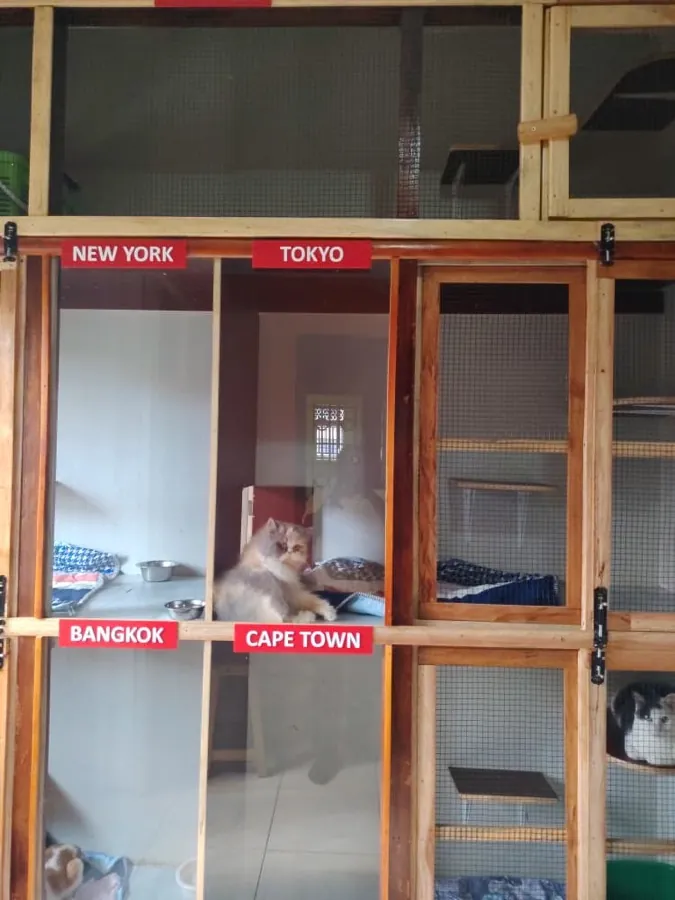
Leaving a pet somewhere is harder than leaving a house. Here is what we would ask if we were the ones booking.
Nine questions worth asking
1. Who is on site overnight? "Someone checks in the morning" is a different service from continuous cover. Ask specifically what happens between last check at night and first check in the morning.
2. What happens if my pet gets sick at 2am? The honest answers range from "we call you and drive to a clinic" to "a vet is already here". Both can be fine — you just need to know which one you are buying.
3. Are cats kept away from dogs? Not in a different corner. A different space, out of sight and ideally out of earshot. A cat that can hear dogs all night does not rest.
4. Can I see where they will actually stay? A facility that welcomes a look around before booking is telling you something. One that offers photos instead is telling you something too.
5. What do you feed, and can I bring my own? A sudden diet change on top of a new environment is a common cause of upset stomachs. Good facilities encourage you to bring their usual food.
6. Who gives medication, and how is it recorded? If your pet is on anything, ask who administers it and whether it is written down each time.
7. How much time out of the enclosure, and where? Ask for a number, not "plenty". And ask where — a corridor is not exercise.
8. What updates will I get? Daily photos are now normal. Silence for a fortnight is not.
9. What do you need from me? Any decent facility will require proof of current vaccinations and recent parasite treatment. If nobody asks, ask yourself who else they are not asking.
What to pack
- Their usual food, measured into daily portions if you can
- A blanket or bed that smells of home — this matters more than people expect
- Any medication, in its original packaging, with written instructions
- Their vaccination and parasite records
- One familiar toy, not their favourite one (things get chewed)
- Your contact numbers, plus a second person who can decide if you are unreachable
Leave the expensive collar at home.
Preparing your pet
If you can, do a short stay before a long one. A single night a few weeks before a two-week trip tells your pet that this place is somewhere they come back from.
Keep the drop-off brief. Long, emotional goodbyes make it worse — the anxiety is contagious and it fixes the moment in their memory. Hand over, say goodbye once, and go.
Signs it went well
A pet that has boarded happily usually eats normally within a day, sleeps a lot when they get home, and is unbothered next time the carrier comes out. A pet that comes home ravenous, filthy or frightened of the crate is telling you to book elsewhere.
Before a flight
If your pet is relocating, a stay in the days before departure is often the calmest option — the house is being packed, furniture is going, and the environment they know is disappearing anyway. It also puts them where the final vet checks and crate practice happen.
We run boarding inside our own clinic, with separate cat and dog wings, individual feeding plans, veterinary supervision and daily photo updates. Have a look, or come and see it — most people do before they book.