
Blog · 4 August 2026
How to relocate a pet internationally from Uganda
The full process from first phone call to arrival — what happens when, what it depends on, and the three decisions that set your timeline.
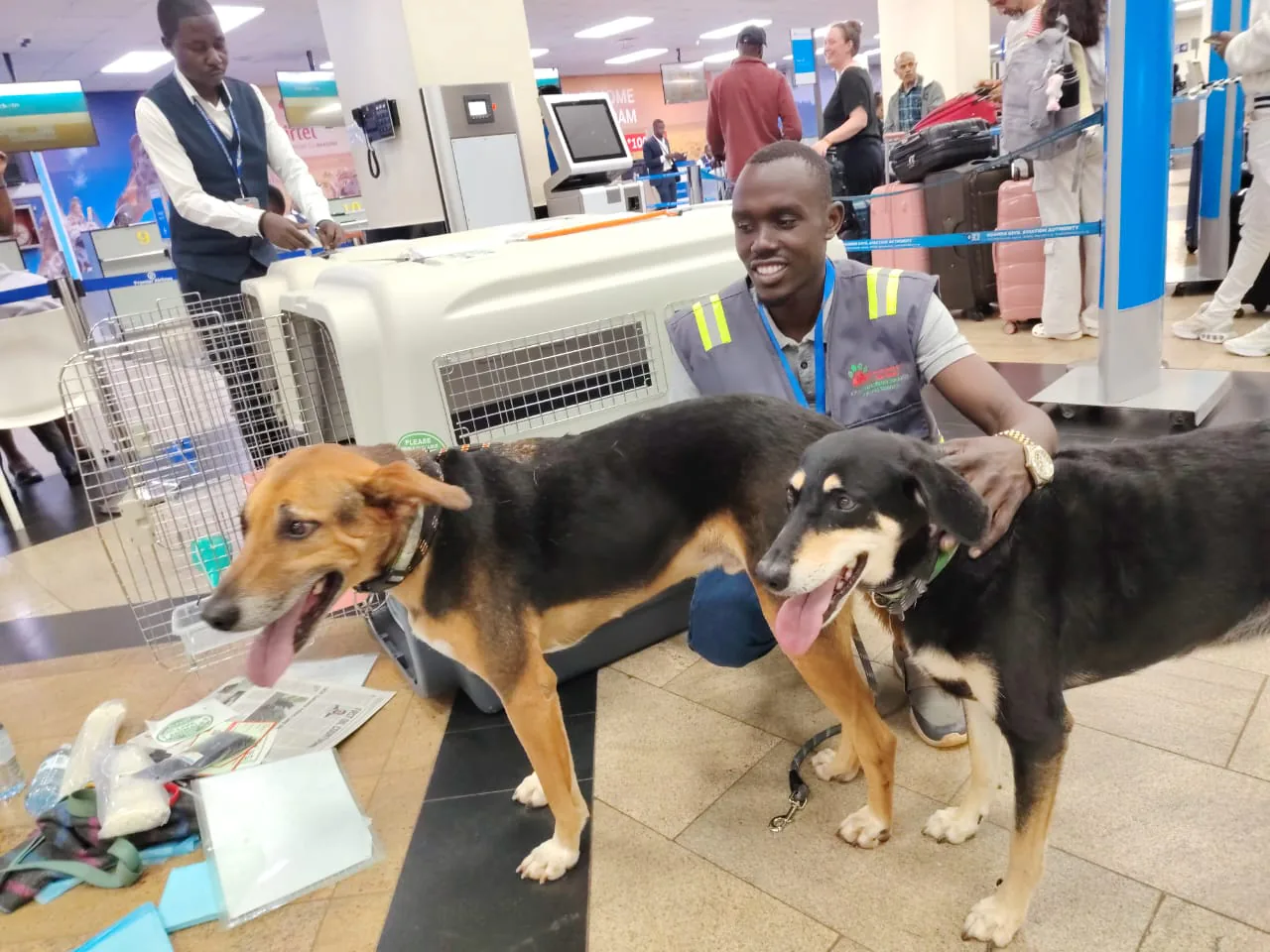
Most people call us about six weeks before they fly. That is usually four to ten weeks too late — not because anything is difficult, but because two or three steps in the middle of the process have waiting periods that nobody can shorten.
Here is the whole thing, in the order it actually happens.
Start with the destination, not the date
Everything about your pet's timeline is decided by where they are going. Two families moving on the same day, one to Nairobi and one to Sydney, are on completely different schedules — one measured in weeks, the other potentially in many months.
Before anything else, we need three things from you:
- The destination country — and the city, if there is an onward domestic leg
- Your pet's species, breed, age and approximate size
- Roughly when you need to travel, and whether that date can move
From those we can tell you which of the steps below apply, which ones have waiting periods, and what the earliest realistic departure is.
The microchip comes first — always
An ISO-standard microchip is implanted before anything else, because every document that follows is tied to that number.
This is the single most common expensive mistake we see. If a pet is vaccinated against rabies before being microchipped, many destination authorities will not accept that vaccination. It has to be given again after the chip, and every waiting period that depends on it starts over.
If your pet already has a chip, bring the paperwork. If you are not sure whether it is ISO standard, we can scan it.
Rabies vaccination, then the waiting
The rabies vaccination is given after the microchip and recorded against it. Depending on the destination there may be a minimum age for vaccination and a minimum interval between the vaccination and travel.
For many destinations that is the end of the rabies requirement. For others, it is the beginning.
The rabies titer test is what sets long timelines
Rabies-free and rabies-controlled destinations — a group that includes much of the European Union, and countries such as Australia — require a rabies antibody titration test, usually called a titer test.
The mechanics matter:
- A blood sample is drawn a set interval after the rabies vaccination
- It goes to a laboratory approved by the destination country
- The result must show antibodies above the required threshold
- Many countries then require a waiting period counted from the date the sample was taken — not from the date the result came back
That last point is what surprises people. The waiting period is often several months, and it starts on the day of the blood draw. Getting the sample taken early is the single most useful thing you can do for a long-haul move.
If the result comes back below threshold, the pet is revaccinated and retested — and the clock restarts. It is rare, but it happens, and it is why we build slack into the schedule when we can.
Import permit before flight booking
The destination country's import permit is applied for with their veterinary or agriculture authority. Some countries issue these quickly; others take weeks and may require a reservation at an arrival quarantine facility before they will approve anything.
We do not book a flight until the permit is approved or clearly on track. An unapproved permit is the fastest way to lose a booking and a deposit.
Choosing the airline and the route
Not every airline carries live animals, and those that do have their own rules on top of the destination's. We are looking at:
- Whether the carrier accepts your pet's species, breed and size on that aircraft type
- Seasonal embargoes — some airlines will not fly certain breeds, or will not fly animals at all, in hot months
- The number of connections and how long your pet would sit between them
- Whether it travels as accompanied baggage, as manifest cargo, or in cabin
Fewer connections is almost always better than a slightly cheaper fare.
The crate, and why we start it early
The travel crate must comply with the IATA Live Animals Regulations — hard-sided, correctly sized, properly ventilated, with a metal door and bolted fastenings, fitted water bowls and the right labelling.
We measure your pet, size the crate and fit it out. Then we hand it to you weeks early, because the second job of a crate is psychological: by travel day it should be somewhere your pet already sleeps, not somewhere they are put on the worst morning of their year.
We have a full guide to sizing and crate training.
One thing worth saying plainly: do not sedate your pet for a flight. Most airlines will refuse a sedated animal, and with good reason — altitude affects breathing and temperature regulation, and a sedated pet cannot right itself if the crate shifts.
Parasite treatment and the health certificate
In the final stretch, two things happen close together.
Parasite treatment — internal and external — is given inside a defined window before arrival and recorded by the veterinarian. Several destinations are strict about the exact number of hours.
The veterinary health certificate follows a fit-to-fly examination, usually within a few days of departure. It has a short validity window, often around ten days and sometimes less, which is precisely why it is one of the last steps rather than one of the first. Where the destination requires it, the certificate is then endorsed by the relevant authority.
Travel day at Entebbe
On the day, we complete export clearance, present your pet and the crate for airline acceptance, and check the crate against the airline's own reading of the IATA rules — size, ventilation, fastenings, labels, water.
You are there for this part. The handover happens in front of you, at the counter, not behind a door. Then we stay until the crate is loaded, and we message you when it is.
What we need from you
- The destination and rough dates, as early as you have them
- Your pet's existing veterinary records, including any microchip and rabies history
- Their usual food, a familiar blanket, and honesty about their temperament
And what nobody can promise
Requirements change without much notice, airlines revise their live-animal policies, and seasonal embargoes appear. Anything you read online — including this page — is a guide to the shape of the process, not a substitute for confirming the current rules for your exact route.
That confirmation is free, and it takes us a phone call. Send us the destination and we will map your pet's actual timeline against a calendar, including the dates that cannot move.